Elevating Digital Experiences Through Decoupled Architecture
In today’s fast-paced digital world, user experience (UX) plays a critical role in shaping brand perception, engagement, and retention. Websites are no longer just static platforms—they’re interactive ecosystems where performance, accessibility, and responsiveness define success. However, traditional CMS platforms often struggle to keep up with modern user demands, resulting in slow loading times and rigid interfaces.
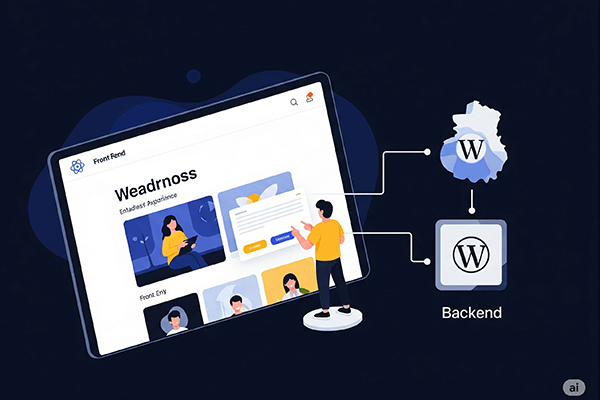
This is where a headless approach, combining a WordPress backend with a React-powered frontend, comes into play. This decoupled setup not only enhances design and development flexibility but also significantly improves user experience. By leveraging React’s dynamic capabilities and WordPress’s content management strength, businesses can deliver seamless, engaging, and future-ready digital experiences.
Why User Experience Is Crucial in Today’s Web
1. User Expectations Are Higher Than Ever
Modern users expect websites to load instantly, look visually polished, and respond intuitively to their actions. A sluggish or outdated interface can immediately turn visitors away. React’s component-based architecture allows for smooth animations, real-time updates, and a mobile-first approach that meets users where they are.
2. UX Impacts Conversion and SEO
Good user experience isn’t just about aesthetics—it directly affects business outcomes. Google’s Core Web Vitals, which measure page load speed, interactivity, and visual stability, are key ranking signals. A React-powered frontend ensures these metrics are optimized, boosting both search visibility and conversion rates.
Advantages of Using React with Headless WordPress
1. Seamless Frontend Flexibility
React gives developers complete control over the frontend experience, enabling them to craft immersive interfaces tailored to user needs. Unlike traditional WordPress themes, a React frontend can evolve rapidly with trends, updates, and experiments.
2. Real-Time Content Updates
When paired with the WordPress REST API or GraphQL, content can be pulled and rendered instantly, providing real-time updates without full page reloads. This ensures a smoother experience and more engaging interaction for users.
3. Performance That Delights
React’s virtual DOM and efficient rendering processes reduce latency and improve page transitions. Combined with lazy loading and modular design, the result is a fast, responsive website that feels fluid and intuitive—key elements for a satisfying UX.
4. Custom Navigation and Interactions
React enables highly customizable navigation, dropdowns, animations, and form handling. This means websites are not just functional but also enjoyable to use—encouraging longer sessions and repeated visits.
User-Centric Design with Scalable Technology
As businesses grow, so do their content and technical demands. A headless setup with React and WordPress supports scalability without sacrificing performance. Teams can iterate quickly, launch new features, or rebrand without disrupting the user experience. This adaptability ensures that the UX remains consistent and high-quality—even as your platform evolves.
Moreover, accessibility improvements, multilingual support, and personalized interfaces can be more easily implemented using React, catering to a wider and more diverse user base.
Conclusion
Delivering a superior user experience is no longer optional—it’s essential. By merging WordPress’s robust content management with the modern power of React, organizations can craft fast, engaging, and user-focused websites that meet today’s high expectations. A headless approach not only modernizes your tech stack but also puts UX at the forefront of your digital strategy. If your goal is to captivate users and stand out online, going React with a WordPress backend is a transformative step in the right direction.