Transforming Web Architecture: React and Headless WordPress in Action
Website performance is no longer just a technical metric—it directly influences your user experience, search engine rankings, and overall digital growth. In a world where speed determines conversions and slow websites risk being left behind, relying solely on traditional CMS structures like WordPress can feel limiting. Though WordPress remains a powerful content management system, its monolithic setup often hinders loading speed, scalability, and frontend innovation.
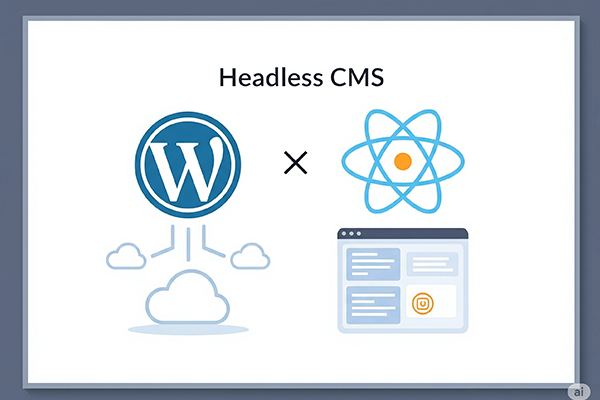
To tackle these limitations, many developers and businesses are now adopting a modern approach: going headless. A headless CMS decouples the backend from the frontend, giving you the power to manage content through WordPress while using advanced frameworks like React to present that content. This setup offers a seamless blend of content flexibility and cutting-edge performance, making it a compelling choice for high-performing digital experiences.
Why Traditional WordPress May Be Holding You Back
WordPress is incredibly popular—powering over 40% of the web. It’s intuitive, well-supported, and rich with plugins. However, it was originally built to serve both the content and the presentation from a single system, which can become problematic as sites grow and user expectations rise.
Some key challenges include:
- Performance Bottlenecks: Heavy themes and plugins can slow down the user experience.
- Limited Frontend Flexibility: Developers are bound by PHP templates and WordPress’s rendering engine.
- Scalability Issues: Handling high traffic and integrating complex systems can strain the monolithic structure.
- Security Risks: The tightly coupled architecture increases exposure to vulnerabilities if not updated or maintained properly.
As digital ecosystems evolve, businesses need more flexible and future-proof solutions—and that’s where going headless steps in.
What Does ``Going Headless`` Really Mean?
In a headless setup, the “head” (frontend) is removed from the “body” (backend CMS). WordPress continues to manage content—posts, media, users—but the frontend is built independently using frameworks like React. Communication between the two happens via REST or GraphQL APIs.
This separation empowers developers to design fast, responsive, and customized user interfaces, while content managers continue to enjoy WordPress’s rich editing experience. It’s the best of both worlds—without compromise.
Key Advantages of Headless WordPress with React
1. Unmatched Website Speed
React is renowned for its high performance. It uses a virtual DOM, updating only the components that change instead of reloading the entire page. When integrated with a headless WordPress backend, React fetches only the required content through API calls, drastically improving load times.
A faster website leads to better user retention, higher conversion rates, and improved rankings in search engines—especially since speed is a confirmed Google ranking factor.
2. Superior User Experience
React allows for dynamic, single-page applications that load smoothly and respond quickly. Animations, transitions, and interactivity become more fluid. You can offer a highly tailored, app-like experience on the web—something traditional WordPress struggles with.
This is especially critical for eCommerce, SaaS platforms, or content-heavy websites where user interaction directly impacts business goals.
3. Better SEO Possibilities with Modern Tools
React initially posed SEO challenges due to its client-side rendering. But modern techniques like server-side rendering (SSR) and static site generation (SSG)—enabled through tools like Next.js—have solved this. Search engines can now easily crawl and index React-powered sites.
In a headless setup, you can also optimize metadata, structured content, and schema markup on the frontend for full SEO control.
4. Flexible and Scalable Architecture
As your website evolves, so should your technology stack. With headless WordPress, you’re not locked into a single frontend. Want to switch from React to Vue in the future? No problem—the backend remains untouched. Need to integrate a mobile app, digital signage, or voice assistant? Easy—just connect via APIs.
This modular approach ensures your website can scale and adapt without major overhauls.
5. Enhanced Security and Maintenance
Decoupling your frontend from WordPress reduces direct exposure to common vulnerabilities. Your content management system can remain hidden behind a secure layer, while your React frontend serves the user-facing content.
Additionally, updates to WordPress, themes, or plugins won’t break your frontend layout—since they function independently.
6. Improved Developer Experience
Developers can work with modern JavaScript tools, workflows, and UI libraries. This means faster development, better testing, easier debugging, and a thriving ecosystem of components.
Meanwhile, marketers and content creators continue using WordPress’s user-friendly dashboard for publishing and managing content. Each team works in their comfort zone—leading to better productivity.
Real-World Applications of Headless WordPress + React
- News Portals: Deliver fast-loading, SEO-optimized articles with instant transitions and dynamic filters.
- eCommerce Sites: Customize product pages and checkout flows while integrating real-time inventory or third-party tools.
- Corporate Websites: Manage multilingual content, regional campaigns, and global microsites with centralized control.
Portfolios and Blogs: Offer a sleek, fast-reading experience with enhanced interactivity and modern design aesthetics.
Challenges to Be Aware Of
While the benefits are compelling, a headless setup isn’t a plug-and-play solution. Consider:
- Initial Complexity: Setting up APIs, managing routing, and ensuring SEO requires expertise.
- Increased Development Time: Building a frontend from scratch can take longer than using pre-built themes.
- Content Preview Limitations: Real-time previews may require custom development in a headless setup.
However, these hurdles are manageable with the right team and strategy—and the long-term gains far outweigh the initial learning curve.
Conclusion
Headless WordPress with React isn’t just another web trend—it’s a modern digital strategy that enables blazing-fast performance, better design flexibility, improved SEO, and long-term scalability. Whether you’re running a startup, an agency website, or an enterprise platform, this decoupled architecture empowers you to deliver best-in-class user experiences without sacrificing content management ease.
By combining the familiar power of WordPress with the futuristic capabilities of React, you’re not just building a website—you’re creating a performance-driven, future-ready digital platform that grows with your business. Embrace the headless future, and take your website to the next level.