
Convert WordPress to Headless CMS with React & Next.js: Improve Speed, Security, and SEO
In today’s digital era, website performance plays a crucial role in user experience and business success. Traditional WordPress websites often face limitations when it comes to speed, flexibility, and security. That’s where the concept of Headless CMS comes in. By combining WordPress as the backend with React and Next.js for the frontend, you can build a modern website that loads faster, is more secure, and ranks better on search engines.
In this blog, we’ll explore what a headless CMS is, why this approach is gaining popularity, and how transitioning from traditional WordPress to a headless setup can benefit your website.
What is a Headless CMS?
A Headless CMS is a system where the backend (where content is created) is separated from the frontend (where content is displayed).
In a traditional WordPress setup, the backend and frontend are tightly connected — meaning the system handles both content management and how it’s shown to visitors.
In a headless setup:
- WordPress continues to manage your content.
- React and Next.js handle how your content is displayed on the website.
The two are connected through an API, allowing for more flexible and modern designs.
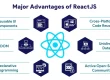
Benefits of Using React & Next.js with WordPress
1. Faster Website Speed
Websites built with React and Next.js load much faster than traditional WordPress sites. These frameworks allow your site to display content more efficiently, reducing loading time and improving the overall user experience.
2. Enhanced Security
Since the backend (WordPress) is no longer directly exposed to users, there are fewer chances of hacking or unauthorized access. This reduces common vulnerabilities that traditional WordPress sites face.
3. Improved SEO (Search Engine Optimization)
Next.js is designed to be SEO-friendly. It ensures that search engines can easily read your website content, improving your chances of ranking higher on Google and other search platforms.
4. Greater Flexibility for Developers
Developers can design custom layouts and user experiences without being restricted by WordPress themes or plugins. This makes it easier to build highly interactive and dynamic websites.
How to Make the Switch from Traditional to Headless WordPress
Step 1: Keep WordPress as the Content Hub
You’ll continue using WordPress to write blogs, manage images, and organize content. However, this content will be accessed using an API, not through WordPress themes.
Step 2: Build a Separate Frontend with React and Next.js
Your website’s appearance will now be handled separately using React and Next.js. These tools provide a modern and customizable interface that users interact with.
Step 3: Connect the Frontend to WordPress
Using built-in features of WordPress (like the REST API), the content created in WordPress is displayed on your new frontend. This connection is seamless and allows real-time content updates.
Step 4: Deploy and Go Live
Once everything is set up, you can host your new frontend on platforms like Vercel or Netlify, while your WordPress backend can remain on your current server or another hosting provider.
Tips for a Smooth Transition
- Plan Your Website Structure: Decide which pages, posts, and features you need before starting the move.
- Secure the Backend: Make sure your WordPress backend is protected with strong passwords and limited access.
- Work with a Developer: If you’re not technically experienced, hiring a developer familiar with headless setups is highly recommended.
- Test Before Launch: Check that all content appears correctly and that pages load quickly and work well on all devices.
Conclusion
Converting WordPress into a headless CMS using React and Next.js offers a powerful upgrade for modern websites. It enhances speed, security, and SEO, while giving developers the freedom to design engaging and responsive user experiences.
Although the process may seem complex at first, the long-term benefits — from better search rankings to a smoother user experience — make it a worthwhile investment. Whether you’re running a blog, an eCommerce store, or a corporate site, going headless can future-proof your digital presence.