Transform Your Digital Strategy with a React-Based Headless CMS
The digital landscape is rapidly evolving, with user expectations and search engine algorithms pushing businesses to deliver faster, more personalized online experiences. Traditional monolithic content management systems often fall short in meeting these demands, resulting in sluggish websites and limited design freedom. To remain competitive, organizations must pivot toward modern architectures that offer both agility and performance.
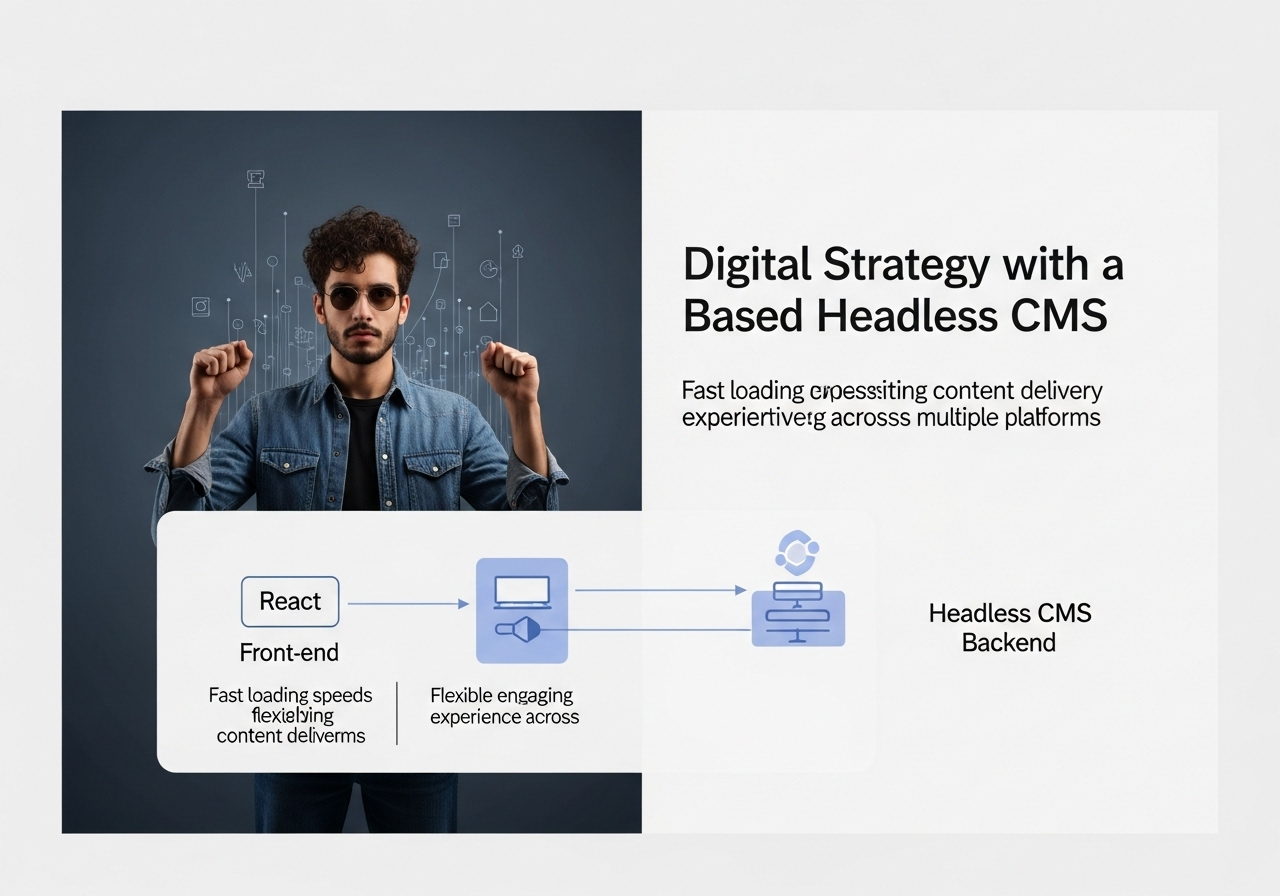
One of the most impactful shifts in this direction is adopting a headless CMS powered by React. This approach separates the backend content repository from the frontend interface, allowing for streamlined development, improved user experiences, and better scalability. Leveraging React at the presentation layer empowers teams to create rich, dynamic interfaces while ensuring optimal performance across all devices.
What Makes a Headless CMS a Game Changer?
1. Frontend Freedom and Design Innovation
A headless CMS removes the constraints of traditional templating engines. By using React, developers gain the freedom to build fully customized interfaces tailored to user needs. Whether it’s interactive dashboards, dynamic content pages, or real-time updates, React offers unmatched flexibility for creating modern user experiences.
2. Platform Agnostic and Omnichannel Ready
Content from a headless CMS can be published anywhere—websites, mobile apps, smart TVs, or IoT devices—through APIs. This makes your content truly omnichannel. React, being component-driven and reusable, makes it easier to adapt interfaces to different devices and screen sizes, enhancing reach and consistency.
3. Performance That Powers Conversion
Speed directly influences user retention and search rankings. A React-based frontend enables faster rendering, lightweight interactions, and seamless page transitions. Combined with the API-first nature of a headless CMS, this results in lower bounce rates and higher conversion potential.
Strategic Benefits for Businesses
1. Agile Development and Faster Iterations
With the frontend and backend decoupled, development teams can work independently and deploy changes more frequently. This promotes experimentation, A/B testing, and a continuous improvement cycle—all essential for adapting to market trends.
2. Improved SEO with Modern Tools
Contrary to the myth that JavaScript frameworks are bad for SEO, React can be configured with server-side rendering (SSR) or static site generation (SSG) using frameworks like Next.js. This ensures that search engines can crawl and index your content efficiently, giving your digital strategy an SEO boost.
3. Scalable Architecture for Long-Term Growth
A React-based headless CMS is future-ready. It easily scales with your content needs, supports integration with emerging technologies, and allows for continuous enhancements without replatforming. This makes it a cost-effective and strategic choice for growing digital businesses.
Conclusion
Adopting a React-based headless CMS is more than a tech upgrade—it’s a strategic shift in how digital experiences are built and delivered. By separating concerns, accelerating development cycles, and enhancing performance, this modern approach helps businesses align with both user expectations and technological innovation. As competition grows fiercer online, those who embrace headless architecture will have a clear advantage in delivering fast, flexible, and impactful digital experiences.