The Smart Way to Build for Speed, Scale, and Flexibility
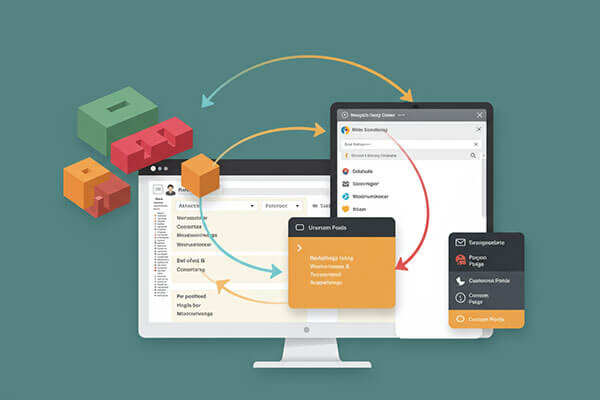
As digital demands grow, so does the need for websites that are fast, scalable, and user-friendly. Traditional WordPress sites, while great for managing content, often fall short in delivering the speed and flexibility modern users expect. That’s where a headless CMS architecture comes into play—separating the backend (WordPress) from the frontend (React) to create a dynamic, high-performance solution.
By integrating WordPress with React, businesses can enjoy the powerful content management capabilities of WordPress while leveraging the speed and customization of a React frontend. This headless approach allows developers to deliver lightning-fast experiences, seamless scalability, and an architecture ready for future expansion. With expert implementation support from Muniwar Technologies, transitioning to a scalable headless CMS becomes straightforward and impactful.
Why Combine React with WordPress?
WordPress remains a dominant CMS due to its flexibility and user-friendly backend. However, its monolithic architecture can hinder frontend performance. React, a modern JavaScript library, changes that dynamic. When used as the frontend for WordPress:
- Frontend loads faster due to client-side rendering and React’s virtual DOM.
- Custom interfaces can be built without WordPress theme limitations.
- User experiences improve, especially on mobile and single-page applications.
Backend and frontend scale independently, making upgrades and redesigns easier.
What Makes a Headless CMS Scalable?
Scalability in web development means being able to handle more content, users, and features without performance dips. A headless CMS setup allows:
- Modular development, where features are added independently.
- API-driven architecture, making it easy to connect with third-party tools and platforms.
- Cloud deployment options, enabling rapid scaling of frontend and backend environments.
- Better developer workflow, especially with React’s reusable components and routing capabilities.
Muniwar Technologies specializes in crafting scalable, React-powered frontends that connect seamlessly with WordPress REST APIs, ensuring your platform grows alongside your business.
Benefits of a Headless CMS with React & WordPress
- Speed and Performance: React enables instant loading and faster interactivity.
- SEO-Optimization: Combined with tools like Next.js, SEO remains strong despite the decoupled setup.
- Omnichannel Delivery: Your WordPress content can power websites, mobile apps, and digital displays.
- Flexible Design: Frontends are not bound by WordPress templates or plugins.
- Robust Security: The WordPress backend is hidden, reducing exposure to attacks.
How Muniwar Technologies Supports This Transition
Muniwar Technologies offers a complete suite of services to help businesses transition from traditional WordPress to a headless CMS using React. Their offerings include:
- Custom headless CMS development using WordPress REST API and React/Next.js.
- Performance audits and frontend speed optimization.
- End-to-end migration support from traditional themes to component-based React interfaces.
- Mobile-first, responsive design to ensure smooth experiences across devices.
- Long-term support and scalability solutions tailored to your growth strategy.
Their team ensures that each project aligns with client goals—delivering not just a faster website, but a stronger digital presence.
Conclusion
React and WordPress together offer a future-ready path for businesses looking to scale without compromising on performance or content control. This modern architecture gives developers the freedom to build fast, flexible, and secure experiences while letting content teams continue using the WordPress dashboard they’re familiar with.
By partnering with experienced professionals like Muniwar Technologies, your journey toward building a scalable headless CMS becomes seamless. Whether you’re launching a new product, upgrading an old site, or preparing for high traffic, this tech stack gives you the power and performance you need to thrive in the digital era.