Embracing the Future: How Headless WordPress Is Redefining Web Development
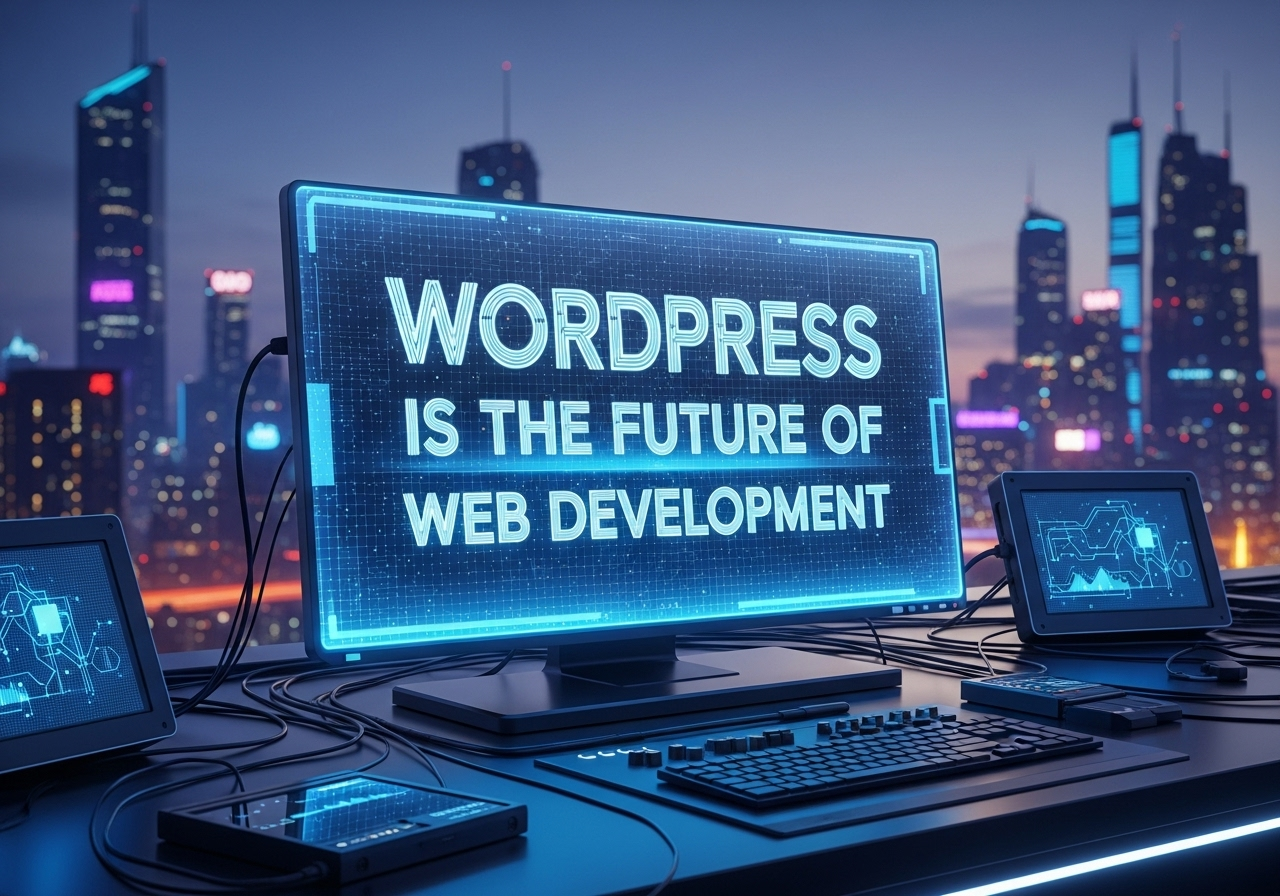
In today’s fast-evolving digital landscape, traditional website architectures are struggling to keep up with the demand for lightning-fast performance, seamless user experiences, and multi-platform compatibility. That’s where Headless WordPress steps in — a revolutionary approach that is rapidly gaining traction among modern developers and businesses alike.
At Muniwar Technologies, we believe in building web solutions that are not just efficient, but future-proof. In this blog, we’ll explore why Headless WordPress is reshaping the web development game and how it can transform your online presence.
What Is Headless WordPress?
In a traditional WordPress setup, the front-end (what users see) and the back-end (where content is managed) are tightly coupled. With Headless WordPress, the back-end content management remains the same, but the front-end is decoupled and delivered via APIs — typically the WordPress REST API or GraphQL.
This allows developers to use modern JavaScript frameworks like React, Next.js, Vue, or Angular to build blazing-fast, responsive, and dynamic front-end experiences.
Why Go Headless? The Core Benefits
1. Lightning-Fast Performance
Headless sites are incredibly fast because they eliminate bulky PHP rendering and page reloads. Paired with frameworks like Next.js, you get static site generation (SSG) and server-side rendering (SSR) — both of which significantly improve page speed and SEO.
2. Complete Design Freedom
Say goodbye to restrictive WordPress themes. With headless architecture, your front-end developers have the freedom to design custom user interfaces without being limited by WordPress’s templating system.
3. Omnichannel Content Delivery
Headless WordPress enables you to deliver content across multiple platforms — websites, mobile apps, IoT devices, and even digital displays — from a single backend.
4. Better Security
Separating the front end from the WordPress backend reduces the attack surface for hackers. With no direct exposure to WordPress’s default URLs, bots and malicious scripts are less likely to exploit vulnerabilities.
5. Scalable Architecture
As your business grows, a headless setup makes it easier to scale your technology stack. You can swap, upgrade, or optimize parts of the system without affecting the entire application.
Use Cases: Who Should Consider Headless WordPress?
-
E-commerce platforms seeking speed and UX optimization (via WooCommerce headless setups).
-
News & media sites publishing to multiple channels.
-
Startups and SaaS companies needing fast MVPs and scalability.
-
Agencies building high-performing, custom sites for clients.
Real-World Example: Headless in Action
At Muniwar Technologies, we’ve helped several clients transition to headless setups. One eCommerce brand, for instance, saw a 57% reduction in page load time and a 22% increase in conversions within two months of migrating to a headless architecture using WordPress + React.
Tools That Make It Possible
-
WordPress REST API / GraphQL – For content delivery
-
React / Next.js / Gatsby – For building the front end
-
Vercel / Netlify – For deployment and hosting
-
WooCommerce API – For headless eCommerce experiences
Challenges to Keep in Mind
While headless WordPress offers tremendous advantages, it’s not without challenges:
-
Requires development expertise (not beginner-friendly)
-
Initial setup and maintenance costs may be higher
-
Content previews and plugin compatibility need extra effort
That said, with a reliable tech partner like Muniwar Technologies, these challenges can be easily managed with the right strategy.
Conclusion
As websites evolve into fast, API-driven experiences, Headless WordPress is becoming the go-to solution for developers who want performance, flexibility, and scalability. Whether you’re building a single-page application or a multi-platform content hub, headless architecture is a forward-thinking choice.
At Muniwar Technologies, we specialize in creating tailored headless WordPress solutions that unlock full creative control while keeping your content engine robust and scalable.